The Sodexo Stop Hunger Foundation
World Hunger Day’s theme this year is ‘The End of Hunger is in Our Hands’. What 20 years as a corporate foundation has taught us: ending hunger depends on empowering the people and organisations closest to hardship.
By Camille Thobois, Head of Stop Hunger Foundation UK & Ireland
Over two decades, we have learned that hunger does not end because one organisation works harder. It ends when systems shift and when people closest to hardship have the resources and dignity to do what they do best.
Hunger in the UK 2025 estimates 14.1 million people being food insecure, with the cost to society exceeding £75bn a year. The case for action is both moral and economic.
As a corporate foundation, Stop Hunger is not the frontline. Our partners, volunteers and colleagues are. Our role is to act as a bridge, connecting funding, people, skills and influence to strengthen the organisations already holding the line.
We do this through charity partnerships, with one-off, single-year and multi-year funding that helps organisations build stability, strengthen capacity and deepen their impact.
Hunger is not only about food. It is shaped by income, housing, health, caring responsibilities and the shocks that push a household from coping into crisis. When families cannot eat, everything else becomes harder.
One thing we have learned is this: food support is not just an emergency response, It is an enabler. Food creates breathing space.
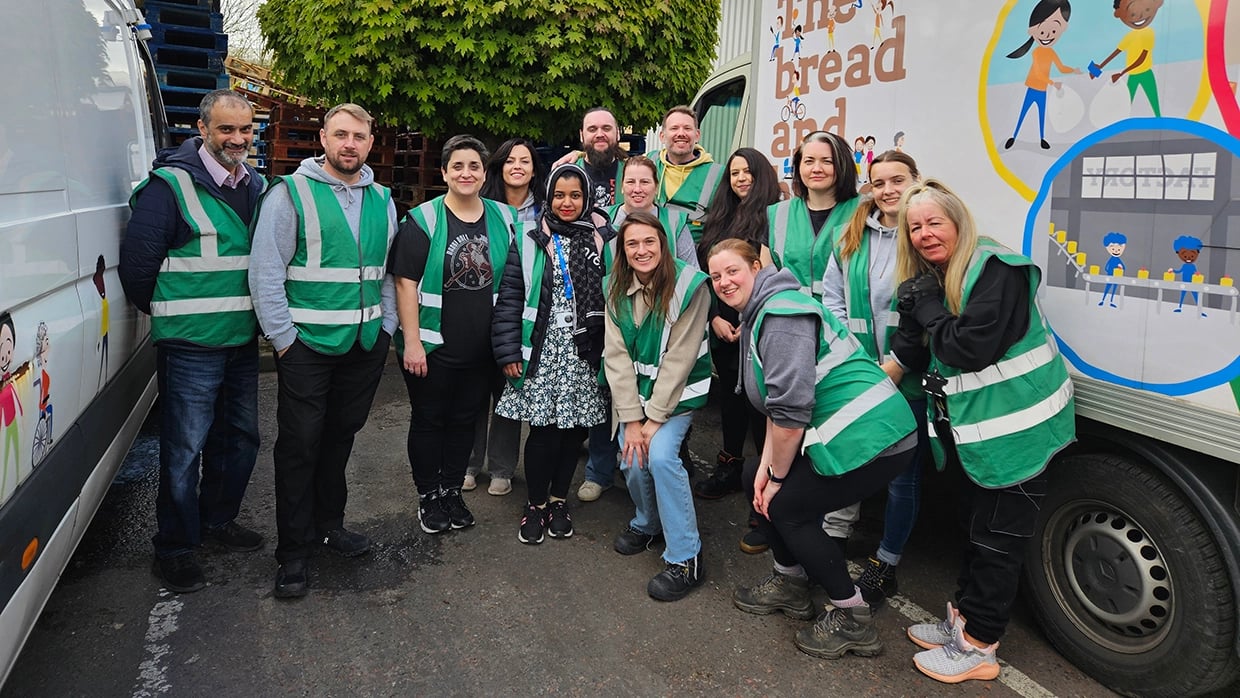
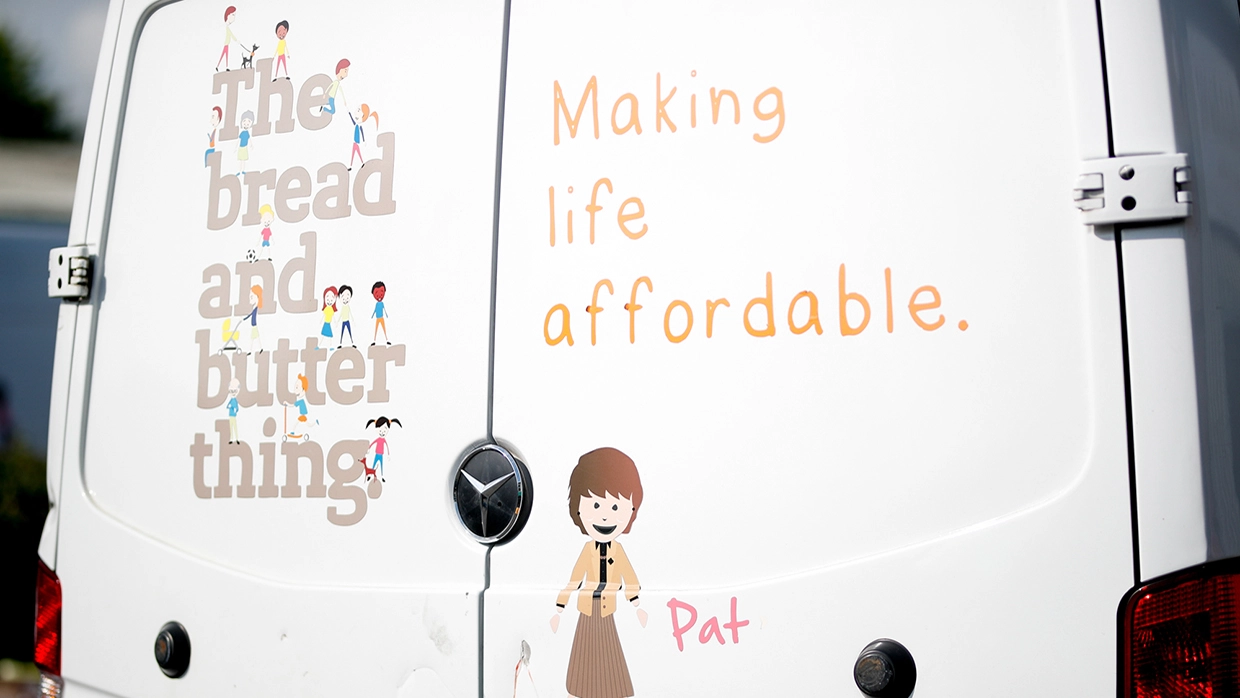
Our partnership with The Bread and Butter Thing (TBBT) shows this in practice. Through 158 mobile food clubs across 34 local authority areas,
TBBT offers a low-cost weekly shop with no membership fee, no referral and less stigma. TBBT support more than 100,000 members who face significant financial pressure: 63% live with a long-term health condition and 36% have caring responsibilities. Its evidence shows how a predictable weekly shop can act as a ‘break’ creating the stability that allows people to think beyond immediate survival.
At its best, partnership is practical, relational and long term. Funding matters, but lasting change also depends on strong organisations with the people, systems and confidence to keep showing up.
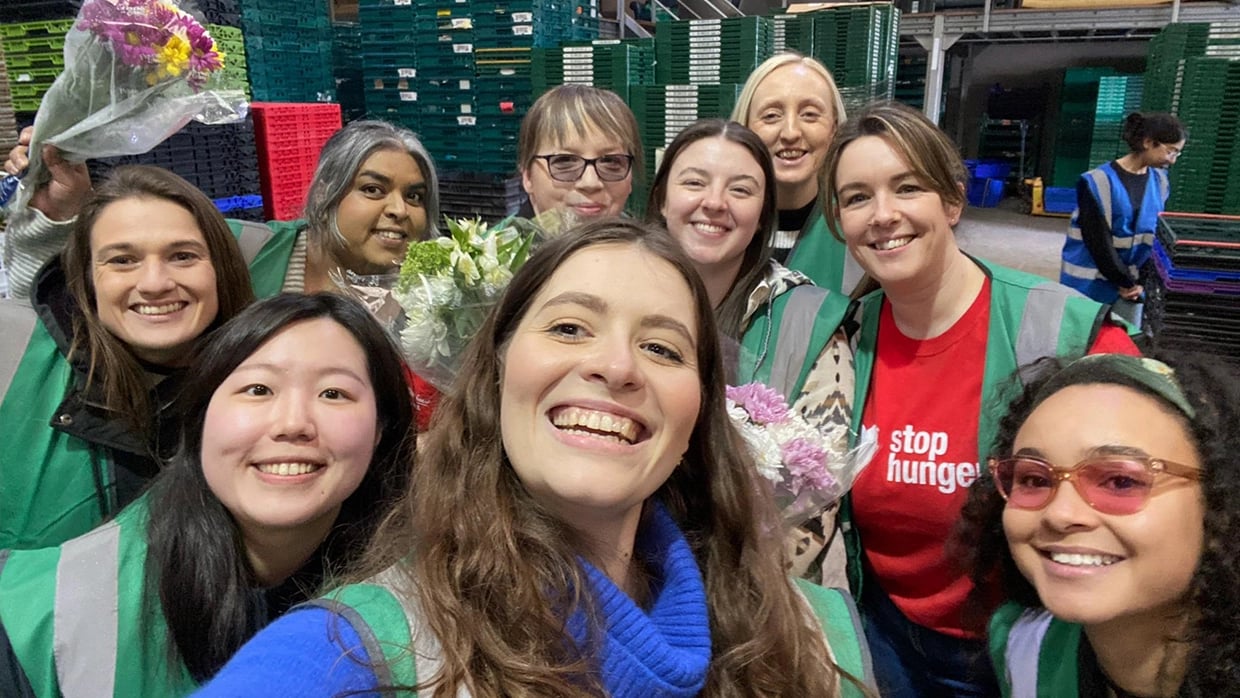
That is why we also mobilise colleagues, supply partners and communities around our partners’ real needs.
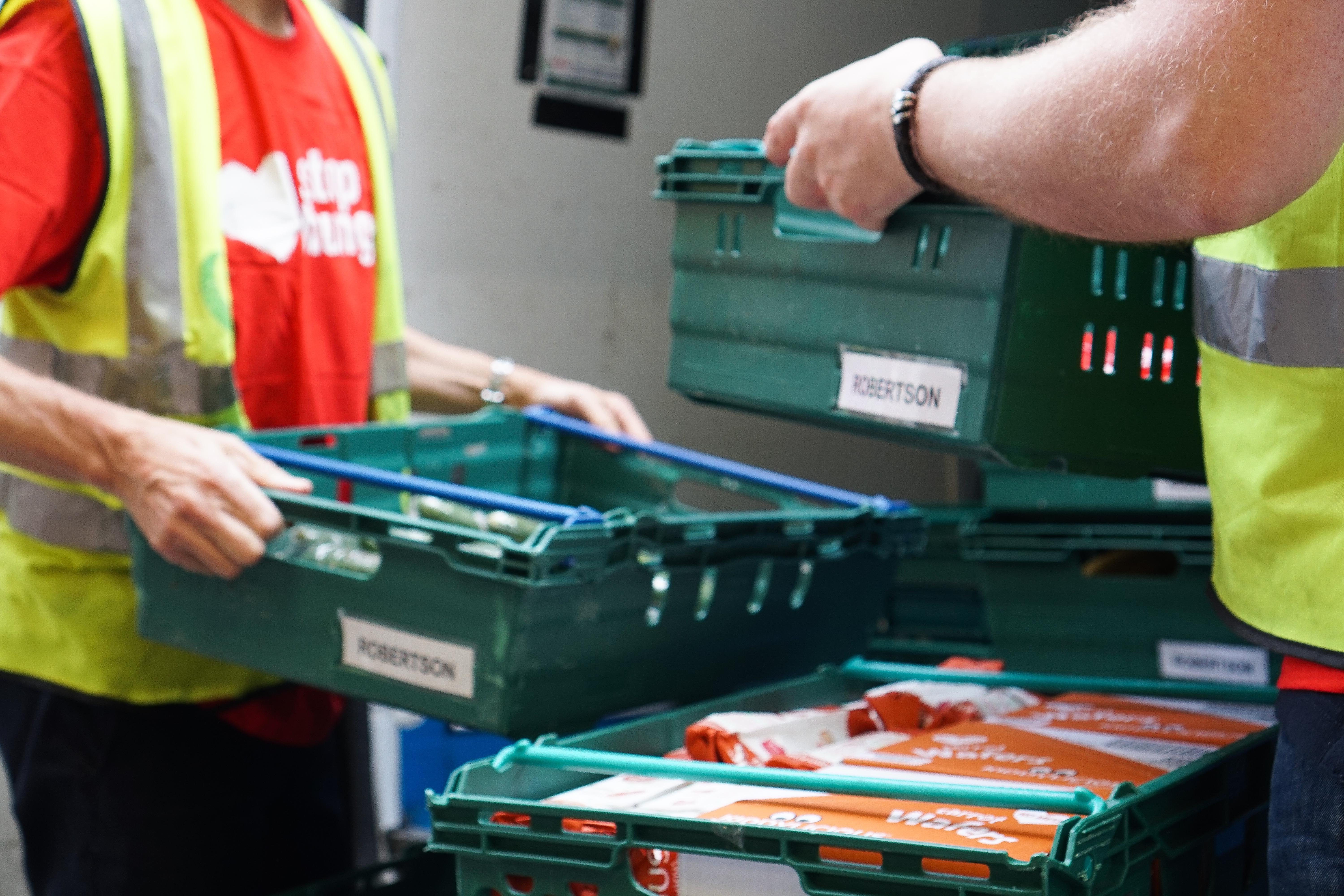
With TBBT, that has included volunteering, adding capacity (not complexity), operational and in-kind support (from food redistribution to levy gifting and HR knowledge), and connections into wider networks shaped by TBBT’s needs.
TBBT’s 2025 results show the impact of this model:
This is what a ‘bridge’ looks like in practice: combining resources to strengthen what already works.
If the end of hunger is in our hands, volunteering is one of the most practical ways we can help. Not as charity, but as solidarity and shared responsibility. Through initiatives like SheWorks employment workshop delivered with TBBT and Tent Partnership for Refugees in Sodexo’s Manchester office,25 women were supported by 29HR volunteers providing 188 hours of help on CVs, interviews and workplace expectations.
This is what bridge-building looks like in practice, and why we have committed to the 100 Million Hours Movement: scaling impact by making volunteering more accessible, relevant and sustained.
The end of hunger is in our hands, but not in one pair of hands. It will be built on organisations that show up in communities, schools, workplaces and partnerships. Corporate organisations have a role to play by acting as enablers: using funding, skilled people, supply chains and influence to strengthen the charities and systems already doing the work.
Anyone can face hardship, and everyone can do something to help. The question is whether we choose to act consistently, collectively and with humility
You may also be interested in
Our social impact
Let's talk