Expert solutions for NHS' challenges

At a recent roundtable, Sodexo brought together Directors of Estates and Facilities Management from NHS Trusts in the South East, Simon Corben Director & Head of Profession for NHS Estates at NHS England, along with leading EFM consultancies, to discuss one fundamental question: What needs to change for Estates and Facilities Management (EFM) to become one of the NHS's most strategic functions?
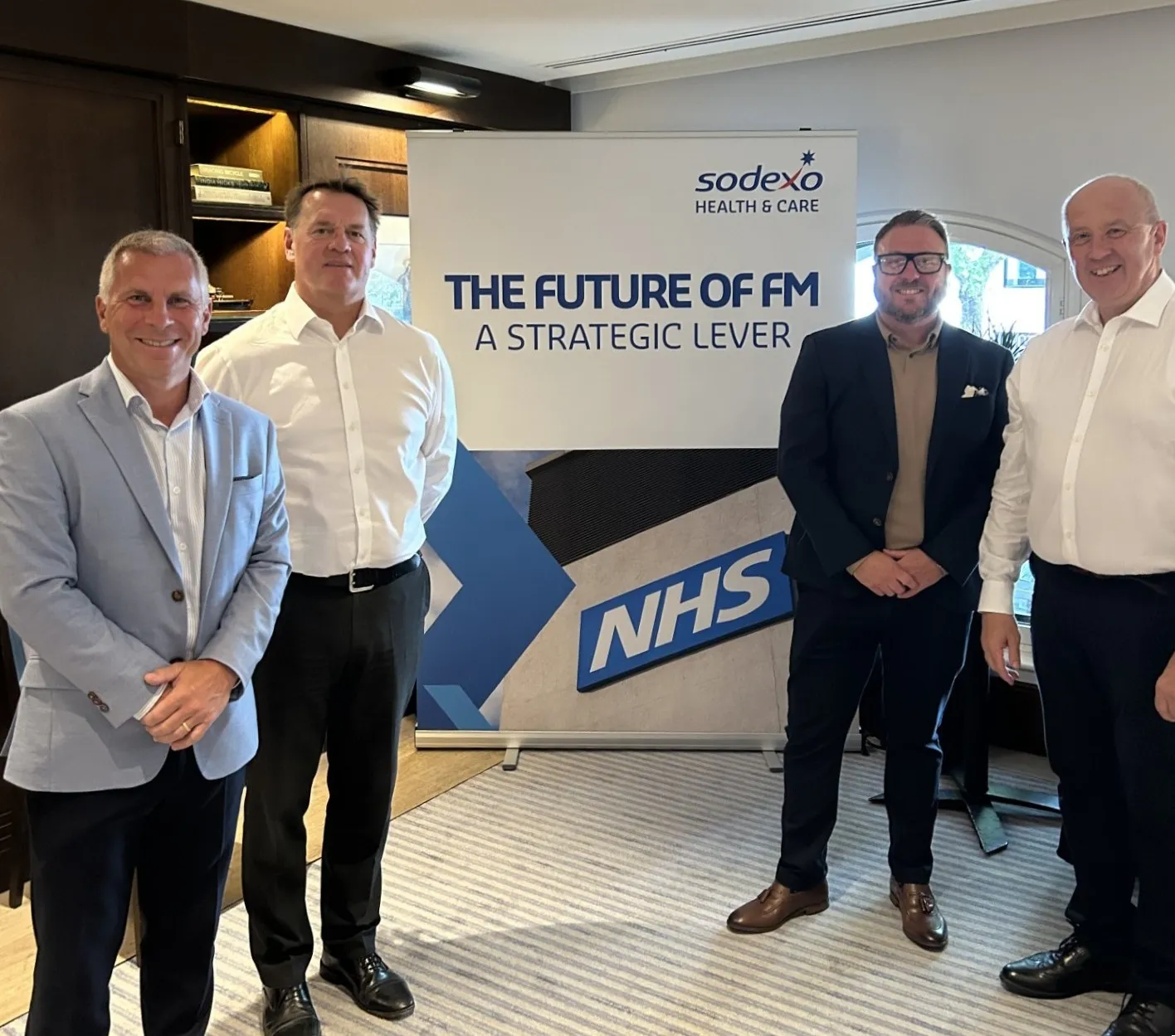
Improving productivity, maximising estate utilisation and enhancing the patient experience all depend on environments that enable high-quality care to be delivered. As the NHS works to deliver the ambitions of its 10-Year Plan, the discussion reinforced that recognising EFM as a strategic enabler—rather than simply an operational service—will be critical to achieving those ambitions.
The roundtable explored how digital innovation, workforce development, new operating models and stronger public-private partnerships can help position EFM at the heart of NHS transformation.
Many of the ambitions within the NHS 10-Year Plan—from improving patient flow and increasing elective capacity to delivering more care in community settings—depend on having the right estate, infrastructure and support services in place.
Participants reflected firstly on the successful role EFM teams play every day against a backdrop of unrelenting demand and an aging estate. However, all agreed that EFM is often viewed as a corporate support function rather than a strategic enabler of clinical care. Becoming more strategic is not simply about having a seat at the Board table; it is about demonstrating, through evidence and outcomes, how EFM directly influences clinical uptime, workforce productivity, operational resilience and, ultimately, the patient experience
Changing that perception starts with changing the conversation. Rather than focusing on maintenance schedules, compliance or cost improvement programmes, EFM should articulate its value in terms that resonate across the NHS: enabling clinicians to deliver care, improving the use of estate, reducing disruption and supporting better outcomes for patients. Three key themes emerged from the debate: (a) How digital must accelerate EFM evolution, (b) We need to build a Future Workforce, and (c) Can new Operating Models optimise private sector investments.
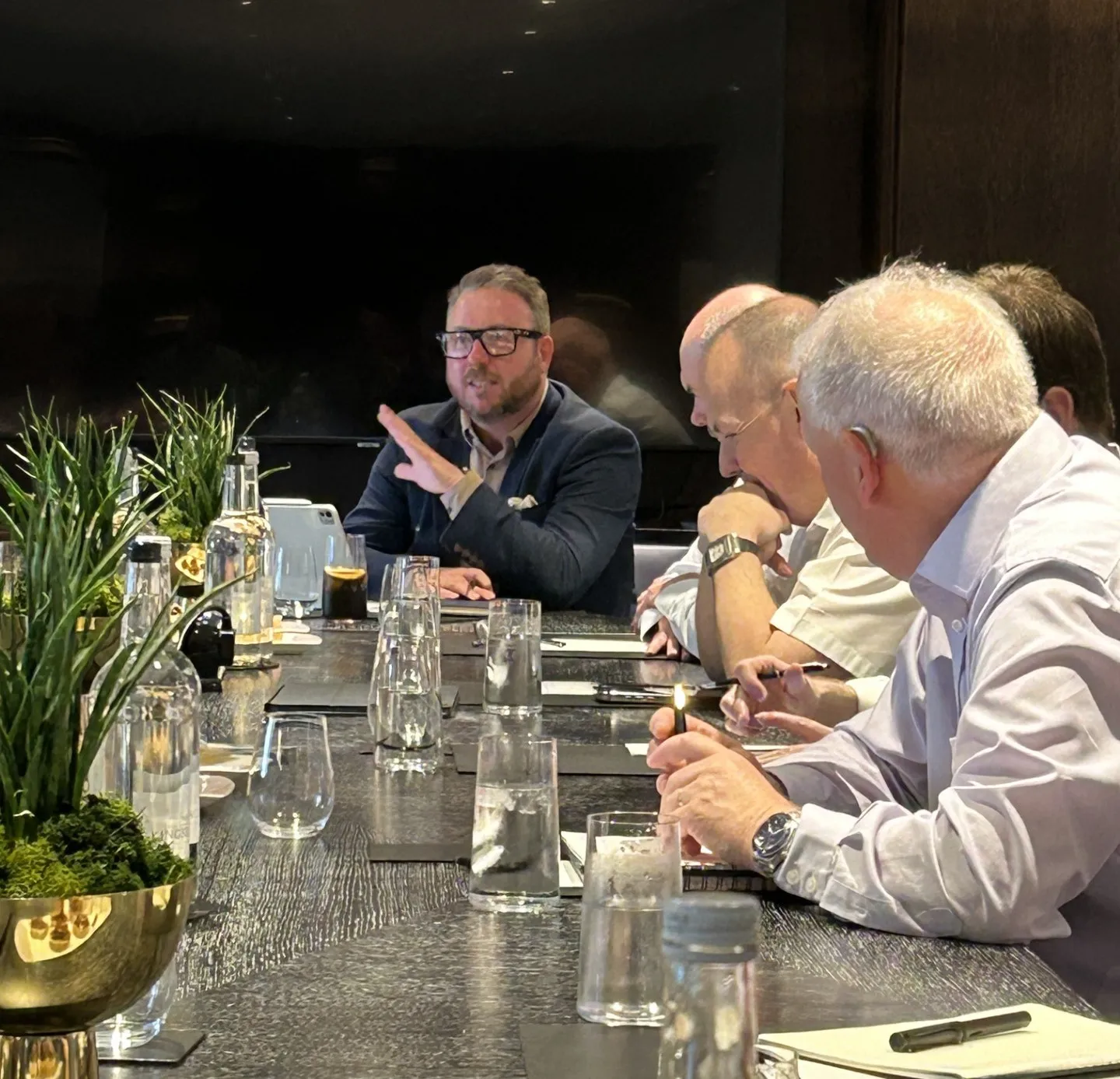
If there was one theme that united the discussion, it was the need to accelerate digital transformation.
While clinical services have made significant progress, participants felt Estates and Facilities has yet to unlock the full value of digital technology, data and artificial intelligence. Smarter estates, underpinned by connected data, could transform how assets are maintained, how space is utilised and how investment decisions are made.
Just as importantly, greater collaboration between Trusts could accelerate learning across the NHS. Sharing asset lifecycle data, operational insights and best practice would help organisations make better-informed decisions, avoid duplication and improve productivity. Emerging technologies, including Digital Twins, have the potential to support this shift, but success will depend on organisations being willing to share knowledge and embrace a more data-driven approach.
Alongside digital transformation, workforce was identified as one of the defining challenges facing Estates and Facilities Management.
Participants recognised that the profession faces a significant demographic shift, with many experienced leaders approaching retirement while attracting and retaining new talent becomes increasingly difficult. Competition from outside healthcare, evolving skills requirements and the pace of technological change all mean that EFM must rethink how it develops its future workforce.
Tomorrow's leaders will need a different blend of skills—combining technical expertise with digital capability, strategic thinking and the ability to bridge the gap between estates, clinical and operational teams. Developing those leaders, while creating more attractive career pathways and retaining knowledge across the profession, will be critical if EFM is to fulfil its growing strategic role.
You may also be interested in...
Health and Care
Social Impact
If EFM is to play a more strategic role, it will also need to evolve.
Participants agreed that the future is not about managing a larger estate, but about managing it differently. As the NHS delivers the ambitions of its 10-Year Plan, the focus will increasingly shift towards improving estate utilisation, supporting patient pathways and ensuring the existing estate is fit to support new models of care.
This new operating model will require EFM teams to think beyond traditional service delivery. Closer collaboration across NHS organisations, greater alignment with social care and importantly stronger strategic partnerships with the private sector will all be needed to improve resilience, unlock productivity and make better use of existing assets.
This new operating model will also require a different approach to how EFM services are procured and delivered. Participants suggested that organisations should increasingly look first to digital platforms that provide real-time operational insight, productivity and utilisation data, with the service model and specialist expertise built around that technology. Rather than viewing digital as an add-on to service delivery, it should become the foundation on which future EFM operating models are built.
This shift also changes the role of strategic partners. After several generations of outsourcing contracts, future value is less likely to come from cost reduction alone and more from innovation, digital capability, specialist expertise and investment. Strategic Estates Partnerships, Joint Ventures and Outcome-Based procurement were all identified as opportunities to attract capital while creating greater flexibility to innovate and deliver long-term value.
Importantly, the roundtable concluded with a commitment to move beyond discussion. Participants agreed to establish a dedicated working group to explore how NHS organisations and strategic private sector partners could work together to unlock investment into NHS estates. The aim is to identify practical partnership models that encourage innovation, attract capital and support long-term transformation while protecting the values and governance that underpin the NHS.
The message from the roundtable was clear. Estates and Facilities Management already underpins every aspect of healthcare delivery. The opportunity now is to recognise it as a strategic function that can help improve productivity, optimise estate utilisation and enhance the patient experience.
As the NHS works to deliver its 10-Year Plan, those organisations that embrace digital innovation, develop future EFM leaders and build trusted public-private partnerships will be best placed to realise the full strategic value of their estate. The opportunity is there. The challenge now is turning that vision into reality.