Sodexo’s net zero progress delivers lower-carbon, commercially resilient solutions for clients
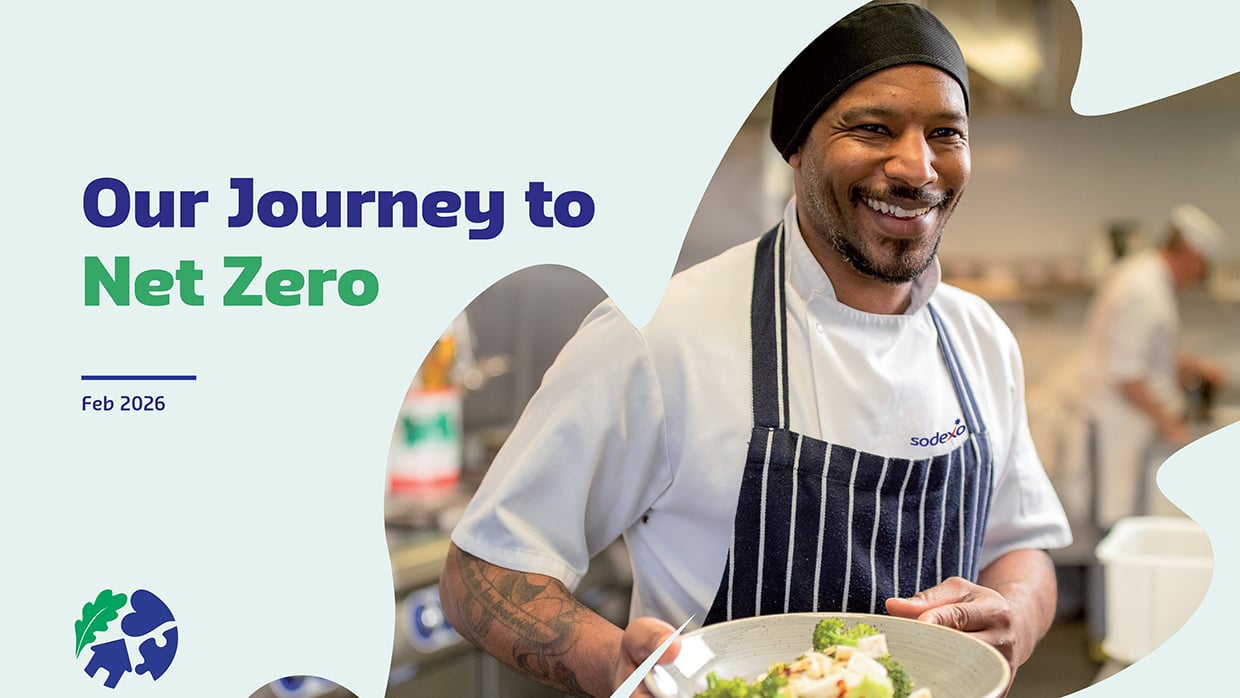
Sodexo UK & Ireland’s latest net zero progress report shows how investment in lower-carbon operations is helping its clients reduce emissions, meet compliance requirements and deliver measurable commercial value across their workplaces and sites.
As organisations face increasing regulatory expectations, investor scrutiny and rising ESG requirements, operational partners are playing a bigger role in helping organisations make practical, measurable progress. Sodexo’s latest results show how using its outsourced services, can support business resilience and performance while accelerating the transition to net zero.
Delivering services on behalf of thousands of organisations across the UK and Ireland, Sodexo is embedding sustainability directly into day-to-day operations, helping clients decarbonise complex environments while improving efficiency, transparency and long-term value.
Through its scale and operational expertise, Sodexo’s progress is supporting clients’ net zero and ESG ambitions while delivering clear commercial benefits, including:
- Demonstrable, measurable decarbonisation across outsourced operations
- Audit-ready climate reporting aligned with evolving regulatory requirements
- Strengthened ESG performance supporting procurement competitiveness and investor confidence
- Operational efficiencies that reduce waste, optimise resources and improve performance
Sodexo’s progress has been shaped by its long-standing collaboration with WWF and guided by science-based targets validated by the Science Based Targets initiative (SBTi). Working closely with clients, supply partners and colleagues, the business continues to translate climate ambition into practical, lower-carbon solutions.
Guided by three core pillars, responsible sourcing, sustainable eating and on-site resource efficiency, the work and strong client relationships of Sodexo’s teams across the UK and Ireland have been instrumental in the progress revealed in its latest net zero progress report.
Highlights from the report (data to 31 August 2025 against a 2017 baseline) include:
- 44.5% reduction in absolute scope 1, 2 and 3 greenhouse gas emissions (353,000 tCO₂e removed), exceeding Sodexo’s 2025 target of –34% - SBTI validated
- 68.9% reduction in scope 1 and 2 emissions, surpassing its 2030 science-based target of –55% five years early
- 50.2% reduction in food waste, achieving the UN SDG 12.3 target five years ahead of schedule
- 24.6% reduction in supply chain emissions, reflecting the impact of collaborative supply partner engagement
These results demonstrate how operational transformation across client sites is delivering emissions reductions significantly ahead of validated science-based targets.
Across all its client environments, Sodexo is translating climate ambition into practical operational solutions. This includes responsible sourcing and more sustainable menu design, to smarter energy management, asset optimisation and waste reduction programmes that improve efficiency across both food and facilities management services.
Developed in collaboration with clients, supply and industry partners, and guided by SBTi validation, these actions are helping organisations embed lower-carbon practices into everyday operations, while maintaining strong performance and service quality.
Our clients are looking for partners who can help them navigate regulatory change, reduce operational risk and deliver measurable sustainability outcomes while maintaining strong operational performance.
This progress shows how our science-based approach is translating into practical, commercially meaningful solutions delivered every day through the services we provide. By embedding lower-carbon practices into operations, we are helping clients move faster towards their own net zero ambitions while strengthening resilience and long-term value.
Sodexo’s progress is underpinned by continued investment in skills and capability, with more than 3,000 colleagues completing Green Skills training through its partnership with the Institute of Sustainability and Environmental Professionals (ISEP) – ensuring teams have the expertise required to deliver practical climate solutions across client sites.
Climate action today is as much a business priority as it is an environmental one. Our clients are looking for practical solutions that help them operate more efficiently, meet rising expectations from investors and regulators, and future-proof their organisations.
This report shows what can be achieved when operational expertise, strong partnerships and shared ambition come together to deliver real, measurable progress across both food and facilities management services.