From submarines to Sodexo: Steven Baillie’s career journey
.webp?h=497&iar=0&w=616)
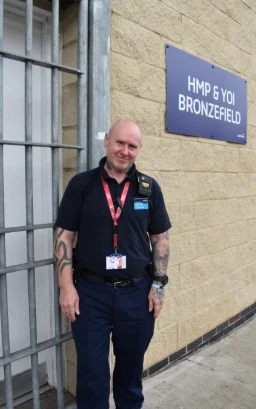
Stepping away from the military and into civilian life is never easy, especially after years of structure, discipline and serving in conflict zones around the world. For Keith, that journey has been challenging, rewarding and life-changing in more ways than one.
Joining the Army at a young age was a conscious decision for Keith to move away from negative influences and choose a better path. Looking back, he says it became the foundation for everything that followed.
“The Army was the best decision I ever made,” Keith says. “It taught me respect, discipline and maturity.”
During his military career, Keith served in warzones across the world, experiences that shaped him but also left lasting challenges. Like many veterans, adjusting to civilian life after service was difficult.
“My biggest challenge was dealing with PTSD (Post-Traumatic Stress Disorder) and battlefield trauma,” Keith explains. “I struggled with everyday situations and loud noises, and civilian life felt completely different after years of routine and structure.”
Initially, Keith moved into close protection and security work because it felt familiar, gaining new skills and helping himself gradually adapt to life outside the forces.
That desire to continue helping others eventually led Keith into prison work.
"I always wanted to do this kind of role after doing peacekeeping missions,” Keith says. “I found a passion for listening and helping people."
Today, Keith works in HMP Bronzefield, a female prison, where he says the role has challenged and changed him in unexpected ways. Supporting women who have experienced domestic violence requires patience, empathy and professionalism.
"As a male officer, building trust can be difficult at first. You want to show that not all men are the same and create positive professional relationships."
Keith was also surprised by the number of prisoners with mental health and neurodiverse needs.
"It made me realise how important understanding and compassion are. It was something I embraced, but I didn't expect it to be so widespread."
Many of the skills Keith developed in the military now play a huge part in his prison role: teamwork, communication, resilience and staying proactive under pressure.
"The military taught me to work as part of a team and to help people change their lives," Keith says. "I changed my own life, so I believe nothing is impossible."
For Keith, the similarities between military service and prison work are clear: both are about supporting people, working together and making a difference.
Outside of his day-to-day role, Keith is particularly proud to support veterans in custody as a VICSO (Veteran in Custody Support Officer) in HMP Bronzefield, helping former service personnel who may be struggling with the transition to civilian life, homelessness or getting back on the right path again.
If I can help change at least one person's life using the lessons I've learnt through the military and being a parent, then I'm happy.
Keith's advice to other veterans considering a career in corrections or public service is simple: take the step.
"Embrace the challenges. You'll build on the skills you already have and learn new ones that help you every day. This job has made me more open-minded and taught me to always look deeper than the surface."
Explore more with Sodexo
A career at Sodexo
Further readings