

Chinese New Year: The most important Holiday in China
John Core, Sodexo Culinary Nutrition Lead
Chinese New Year, also known as the Lunar New Year or Spring Festival, stands as one of the most significant celebrations in Chinese culture, marking the beginning of a new lunar calendar year. This festive period symbolises fresh starts, the renewal of life, and the arrival of spring after the long winter months.
Embracing Chinese Cuisine
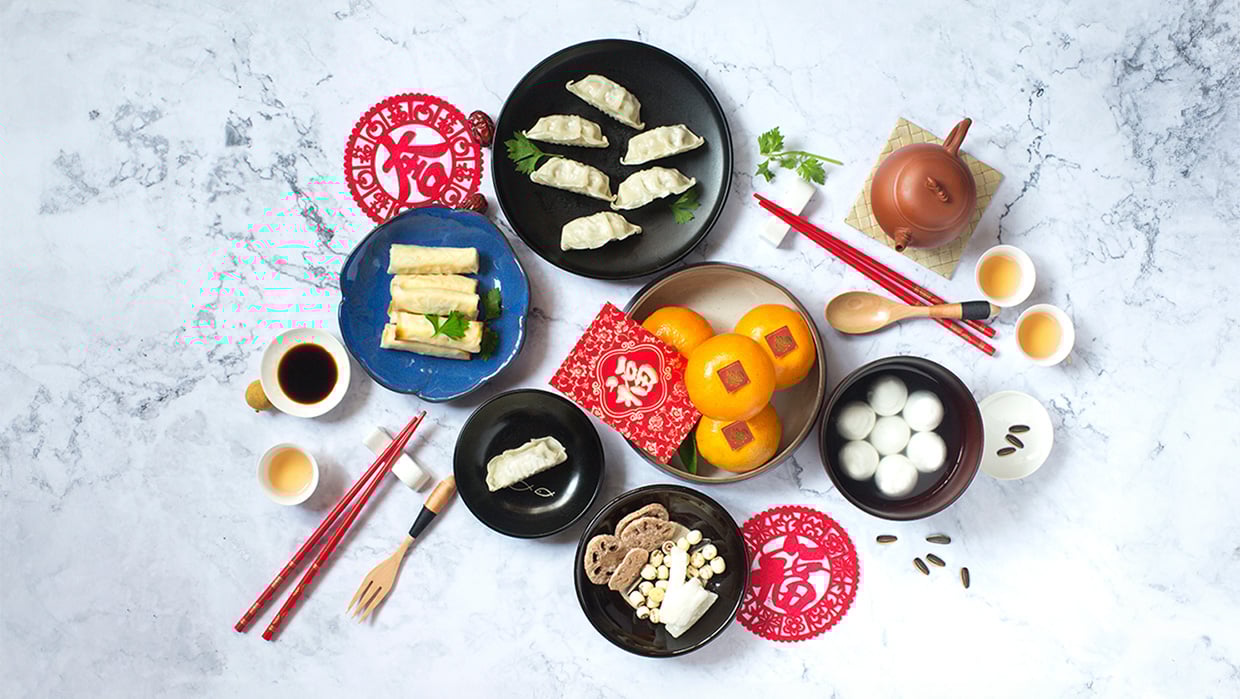
Steeped in rich tradition, Chinese New Year revolves around family reunions and shared meals, where food plays a central role in expressing wishes for good fortune, health, and prosperity in the year ahead. Celebrations typically span 15 days, culminating in the vibrant Lantern Festival.
Chinese cuisine, in turn, is one of the oldest, most diverse, and culturally significant culinary traditions in the world. Its origins stretch back over 4,000 years, evolving in tandem with China's rich history and expansive geography. Central to Chinese cooking is the philosophy of balance, not only in terms of flavour but also in the nutritional composition of dishes. This culinary tradition reflects a deep understanding of health and wellness, combining ingredients in ways that harmonise hot and cold, sweet and salty, or sour and bitter components.
The philosophy underpinning Chinese cuisine is deeply rooted in traditional Chinese medicine and reflects the principles of balance. Central to this is the concept of yin and yang, which extends to the choice of ingredients and their combinations in dishes. For instance, yin foods, which are cooling, such as cucumber and tofu, are balanced with yang foods, which are warming, like ginger and garlic, to promote harmony and well-being. Chinese chefs also strive for a balance of the five basic tastes — Sweet, sour, bitter, salty, and umami — in every meal, ensuring that no single flavour dominates the others.
Traditional Ingredients and Their Health Benefits
Chinese cuisine places a strong emphasis on fresh, seasonal ingredients that are minimally processed, allowing their natural flavours and nutritional properties to shine. This focus on fresh produce, herbs, and spices not only enhances taste but also aligns with traditional Chinese medicine's holistic approach to health. One of the most used ingredients in Chinese cooking is ginger, which is prized for its anti-inflammatory properties, ability to aid digestion, and capacity to improve circulation. Ginger is often used in soups, stir-fries, and teas to provide a warming effect, particularly beneficial during colder months. Another staple ingredient is garlic, known for its rich antioxidant content. Garlic supports heart health by helping to reduce cholesterol levels and blood pressure, while also boosting the immune system due to its natural antibacterial properties. It's a key flavour enhancer in countless Chinese dishes, from simple vegetable stir-fries to complex braised meats.
Tofu and other soy products are also integral to Chinese cuisine, offering excellent plant-based protein sources that are low in fat. Soy contains isoflavones, which have been shown to promote heart health. Tofu is incredibly versatile, absorbing the flavours of the ingredients it is cooked with, making it a popular choice in both vegetarian and meat-based dishes. The use of leafy greens, such as bok choy, spinach, and Chinese broccoli, is another hallmark of Chinese cooking. These vegetables are packed with essential nutrients, including vitamins A, C, and K, which support bone health, immune function, and skin health. Stir-frying or lightly steaming these greens preserves their nutrient content while ensuring they remain vibrant and flavourful.
A unique aspect of traditional Chinese cuisine is its extensive use of fermented foods like pickled vegetables, and miso. These ingredients are rich in probiotics, which promote a healthy gut microbiome. The fermentation process not only enhances the flavour profile of these foods but also boosts their nutritional content, making them a valuable addition to a diet focused on gut health. Fermented ingredients are often used to add depth to soups, marinades, and sauces, providing umami-rich undertones that elevate even the simplest dishes.
Practical Tips for Incorporating Chinese-Inspired Meals into Your Weekly Diet
There are simple and effective ways to bring the health benefits of Chinese cuisine into your everyday meals. One of the best tools to adopt is the wok, which allows for quick cooking at high heat, preserving the nutrients in vegetables and reducing the need for excess oil. Stir-frying, steaming, and poaching are common cooking methods that maintain the nutritional integrity of ingredients while infusing them with bold flavours. By using fresh herbs, spices, and natural seasonings, it is possible to reduce the reliance on processed sauces that are often high in sugar and sodium. Making your own sauces with ingredients like soy sauce, ginger, garlic, and sesame oil can enhance the flavour of dishes while keeping them healthy.
To further embrace the principles of Chinese cuisine, consider swapping refined grains like white rice for whole grains such as brown rice, quinoa, or millet. These alternatives provide more fibre and nutrients, supporting better digestion and blood sugar control. Additionally, explore plant-based protein options like tofu, edamame, and tempeh, which not only align with the Chinese culinary tradition but also offer sustainable, nutrient-rich protein sources. Incorporating these foods into your diet can help you enjoy the health benefits associated with Chinese cuisine, promoting both gut health and overall well-being while adding diversity and depth to your meals.
Celebrating Chinese New Year with Healthy Recipes
How to incorporate the principles of Chinese cuisine into healthier versions of festive dishes:
- Steamed fish with ginger and scallions (symbolising prosperity and longevity).
- Stir-fried mixed vegetables with tofu (a colourful dish symbolising harmony).
- Brown rice dumplings filled with mushrooms and bok choy for a nutrient-dense twist.
- Herbal teas infused with goji berries and chrysanthemum for antioxidant benefits.

Peking Pork Ribs with Sweet and Sour Sauce, Served with Garlic Soy Bok Choy
Ingredients:
For the Pork Ribs:
- 500g pork ribs, pre-cut into small pieces (6–8cm) by your butcher
- 30g Chinese Shaoxing wine
- 20g Chinese five spice powder
- 50g brown sugar
- 15g salt
- 10g black pepper
- 10g ginger, finely grated
- 1 egg
- Cornflour, for coating
- Oil, for frying
- Toasted white sesame seeds, for garnish
Sweet and Sour Sauce:
- Prepare your favourite sweet and sour sauce, or use a store-bought version for convenience.
For the Garlic Soy Bok Choy:
- 2-3 heads of bok choy, quartered
- 2 cloves garlic, finely chopped
- 10g soy sauce
- 1-2 tablespoons hot oil (vegetable or sesame oil)
Method
To prepare the Peking pork ribs, begin by marinating 500g of pre-cut pork ribs with Shaoxing wine, Chinese five spice, brown sugar, salt, black pepper, and grated ginger. Mix thoroughly to coat the ribs evenly and allow them to marinate for at least one hour. Once marinated, crack an egg into the mixture, stirring to combine, and coat the ribs with a generous layer of cornflour. Heat oil in a deep pan or wok to approximately 180°C and fry the ribs in batches until they are golden brown and crispy. Transfer the fried ribs to a plate lined with kitchen paper to drain.
While the ribs are draining, prepare a sweet and sour sauce in a separate pan or wok. Once the sauce is ready and heated, toss the fried ribs into the sauce, ensuring they are evenly coated. Sprinkle with toasted sesame seeds for a final touch.
For the garlic soy bok choy, bring a pot of water to the boil and blanch the quartered bok choy for about one minute before draining. Arrange the bok choy on a serving plate and sprinkle finely chopped garlic over it. Heat a tablespoon or two of oil until hot, then pour the hot oil over the garlic to lightly cook it. Finish by drizzling soy sauce over the bok choy. Serve the sweet and sour pork ribs alongside the garlic soy bok choy and enjoy.
You may also be interested in...
Our social impact
Loading component...
Loading component...
Loading component...
Our services