Diversity, Equity & Inclusion
Keeping residents connected, supported and rested in remote locations
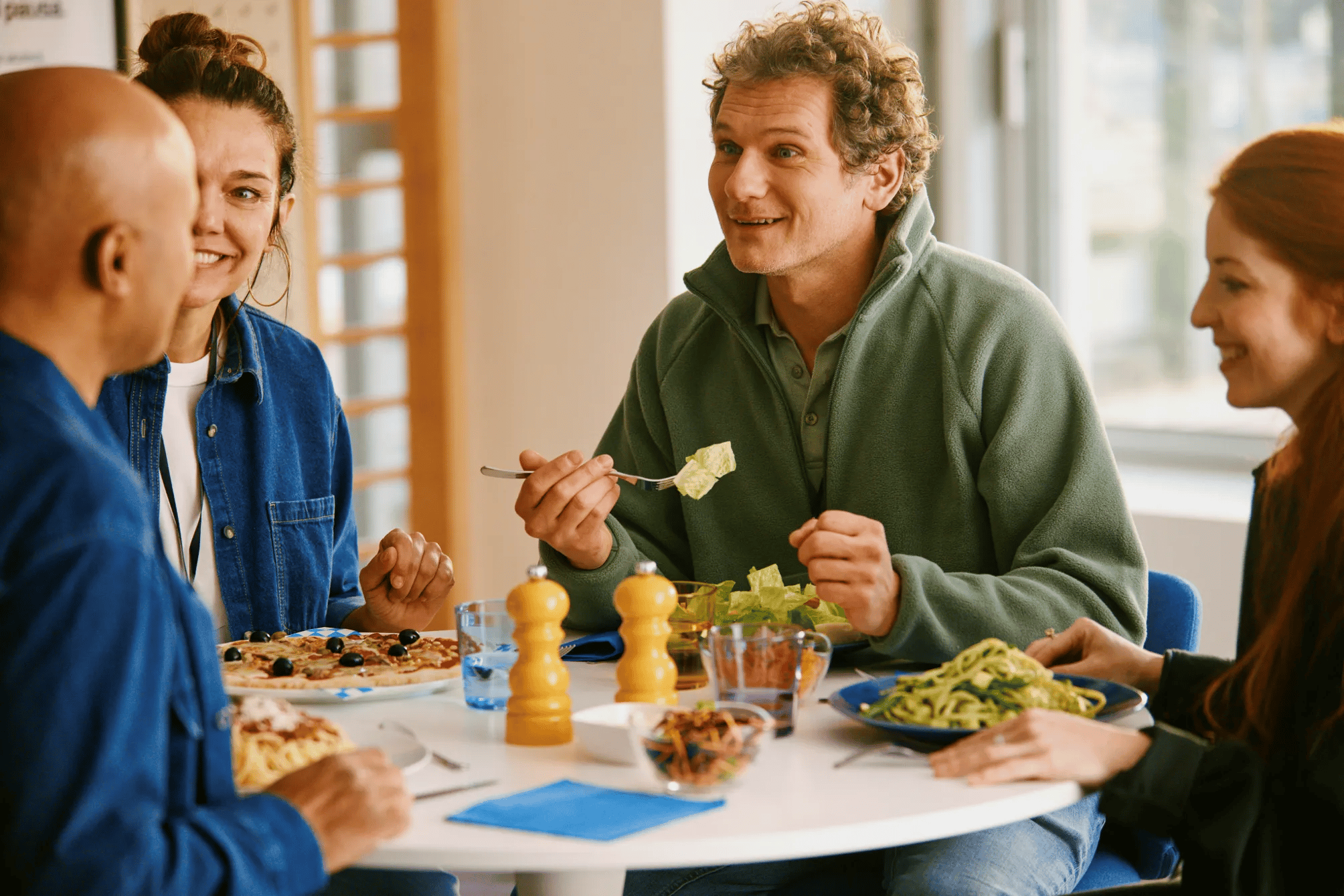
Workplace eating has changed. There is no longer a single lunch hour or a predictable daily routine. Instead, employees move through a series of eating moments across the day, shaped by workload, energy levels and social needs. Understanding these moments matters, because food now plays a much bigger role than simply fuelling the working day. It influences how long people stay on site, how connected they feel and how well they perform.
An eating moment is any meal or snack taken during the working day. It might be a quick coffee at a desk, a solo lunch to reset, or a shared meal with colleagues. These moments shift throughout the week, depending on pressure, priorities and energy. For employers, they offer valuable insight into how people actually experience the workplace, and where food can support productivity, engagement and morale.
To move beyond assumptions, Sodexo partnered with Ipsos to study how employees eat during the working day. The research analysed more than 7,000 eating occasions across the UK, US and France, grouping them by motivation, context and need. In the UK corporate environment, these behaviours resolve into 11 distinct eating moments that together shape the rhythm of the working day. There is no single lunch hour anymore, but a pattern of moments that define how food supports performance, wellbeing and connection at work.
What stands out is a more nuanced picture of togetherness. The most frequent eating moments are not social by default. Many are solitary, routine and time compressed. Yet these moments are critical. They determine whether people have the energy, time and headspace to connect later in the day. In today’s hybrid world, togetherness is no longer automatic. It is enabled through a series of everyday experiences done well compressed. Yet these moments are critical. They determine whether people have the energy, time and headspace to connect later in the day. In today’s hybrid world, togetherness is no longer automatic. It is enabled through a series of everyday experiences done well.
While all 11 eating moments play a role, three account for the largest share of eating occasions in UK corporate workplaces and offer the clearest signals for employers.

Accounting for 17% of UK corporate eating occasions, My Healthy Meal is the most common workplace eating moment. It reflects an intentional choice to eat well during the working day, balancing health, enjoyment and value. Fresh ingredients, minimal processing and quality cues matter most here, with high protein and high fibre emerging as the strongest dietary needs. For organisations, this highlights how closely food is tied to wellbeing at work. When healthy options feel satisfying and accessible on site, people are more likely to stay, take a proper break and maintain focus. When they are not, employees are more likely to step out, fragmenting the working day.

Accounting for 14% of UK corporate eating occasions, MeTime Lunch is a quieter, more personal pause in the day. It is typically taken alone and driven by a need to reset and regain energy. In the UK data, 62% of employees associate this moment with relaxing and disconnecting. These lunches also tend to last longer than other solo eating moments, reflecting a conscious choice to slow down rather than rush.
For employers, MeTime Lunch supports sustained productivity rather than social visibility. When people can take a genuine break without leaving the building, they return to work more focused, resilient and able to engage through the afternoon.

Mornings set the tone for the day. This energising moment is highly routine driven and time compressed. Around three quarters of people take it alone, often at their desk and usually in under ten minutes. The motivation is simple but critical: fuel, caffeine and a small moment of pleasure that helps people shift into work mode driven and time compressed. Around three quarters of people take it alone, often at their desk and usually in under ten minutes. The motivation is simple but critical: fuel, caffeine and a small moment of pleasure that helps people shift into work mode.
Although typically solitary, its impact is collective. How people start the day influences focus, energy and willingness to engage once work gets going. A strong morning offer helps people arrive earlier, settle faster and feel more positive about being in the office rather than working from home, influencing productivity before the first meeting even begins.
Looking across the 11 eating moments, several wider patterns emerge. Health is practical rather than ideological. Employees define healthy food by how it makes them feel day to day. Fresh ingredients, fruit and vegetables, minimal processing and food without unnecessary additives consistently rank highest, with high protein and high fibre standing out as the most important dietary needs.
Sustainability, meanwhile, is defined more by provenance than exclusion. While only around one in five employees prioritise meals with no meat and 14% prioritise no dairy, far more place importance on fresh ingredients (88%), animal welfare (84%), clear nutritional or environmental labelling (80%), seasonal produce (72%) and local sourcing (73%). Sustainable choices resonate most when they are embedded into everyday eating rather than positioned as a separate behaviour.
Connection remains a powerful driver, even when moments are taken alone. Lunch related moments are among the longest pauses in the working day and are closely associated with restoration rather than efficiency. These solitary pauses restore energy and headspace, making later connection and collaboration more likely.related moments are among the longest pauses in the working day and are closely associated with restoration rather than efficiency. These solitary pauses restore energy and headspace, making later connection and collaboration more likely.
Snacks and coffee also play a crucial role. Close to half of employees actively seek filling and energising options in these moments, particularly later in the day, helping them sustain performance through the afternoon. Small, reliable experiences of quality signal care and help maintain momentum in demanding environments.
Taken together, the eating moments reveal a simple truth. Togetherness does not sit in a single meal or social event. It is built across the day, shaped by whether people feel fuelled, rested and supported in everyday moments.
This is where food service partners make a difference. At Sodexo, we design food experiences around how people actually eat at work, from a reliable morning coffee to calm lunch spaces and flexible menus that follow the rhythm of the day. By aligning food with real eating moments, we help organisations create workplaces where people feel supported, stay engaged and work better together.
Are you ready to take your facilities managent to the next level ?
If so, let’s talk

Get started with Sodexo
Let’ s talk
Explore business and industry section