equivalent meals saved
Our WasteWatch programme has prevented food waste equivalent to 3,700,000 meals
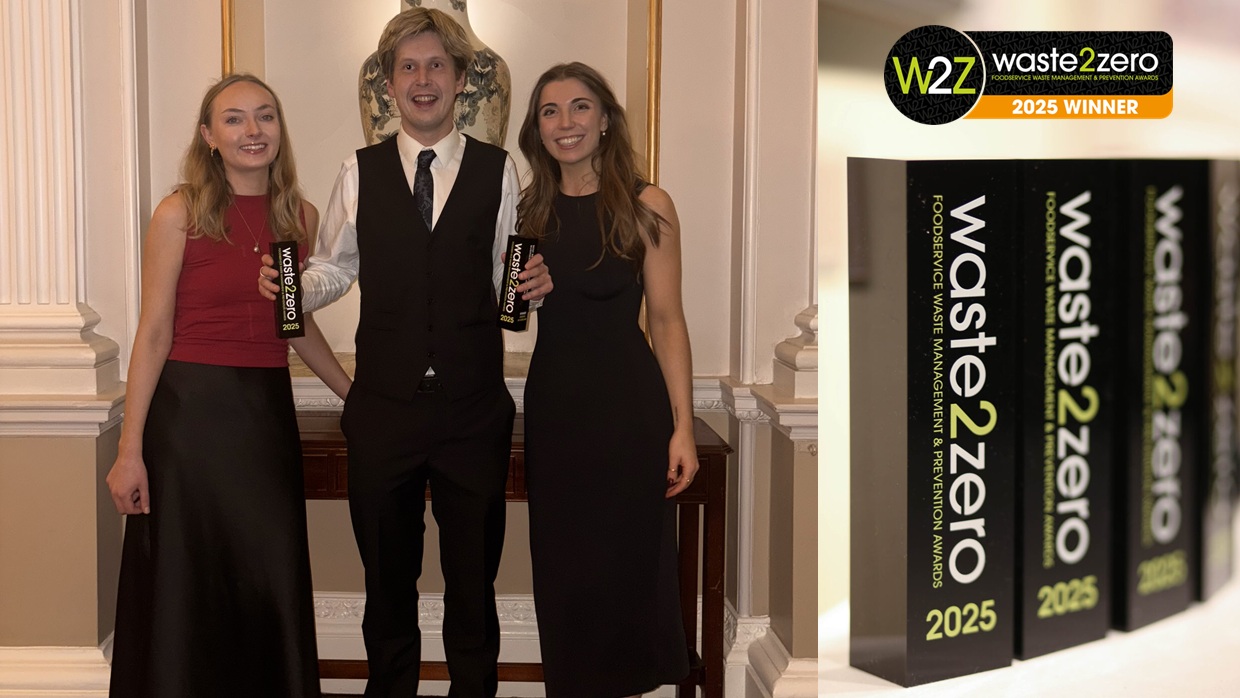
This year, we achieved a 50.2% reduction in food waste, exceeding our target to halve food waste by 2025 and meeting UN Sustainable Development Goal 12.3 five years ahead of schedule. By FY25, WasteWatch had been implemented across sites representing 85% of our raw material spend, demonstrating the effectiveness of our data-driven approach to identifying, measuring and reducing food waste throughout our operations.
How Sodexo UK & Ireland halved its food waste five years ahead of the UN SDG 12.3 target and saved £3.6million over 10 years.
A 2025 food waste reduction success story from Sodexo UK & Ireland
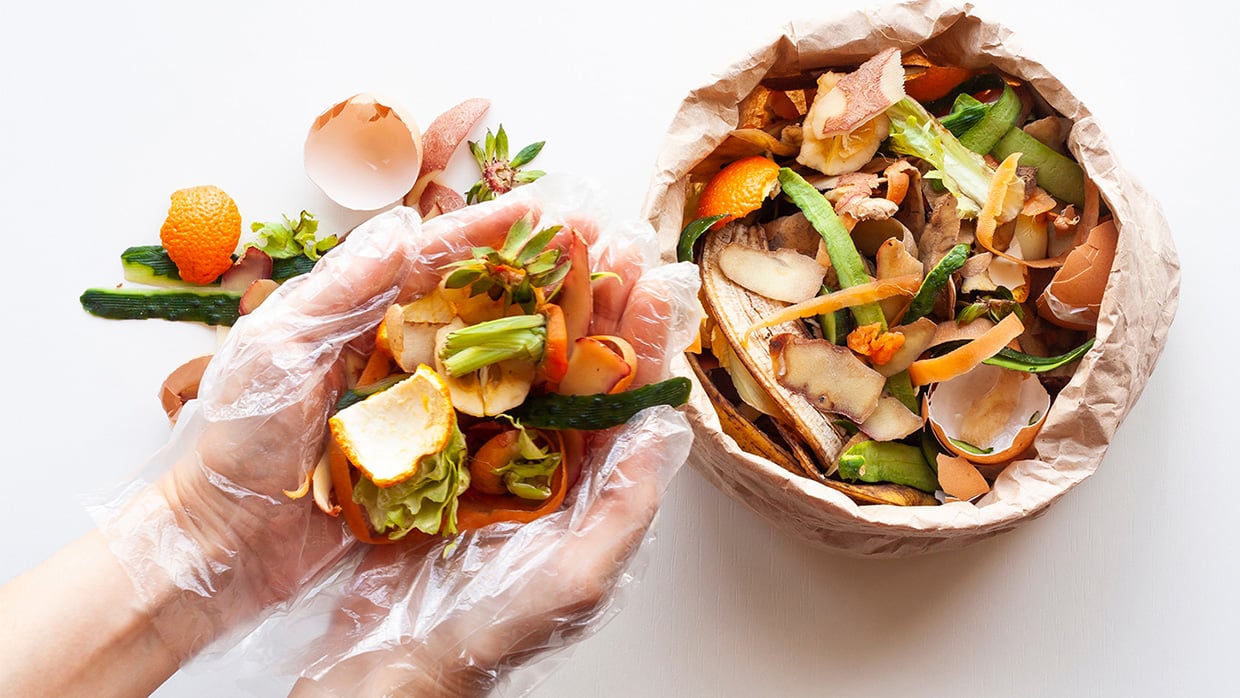
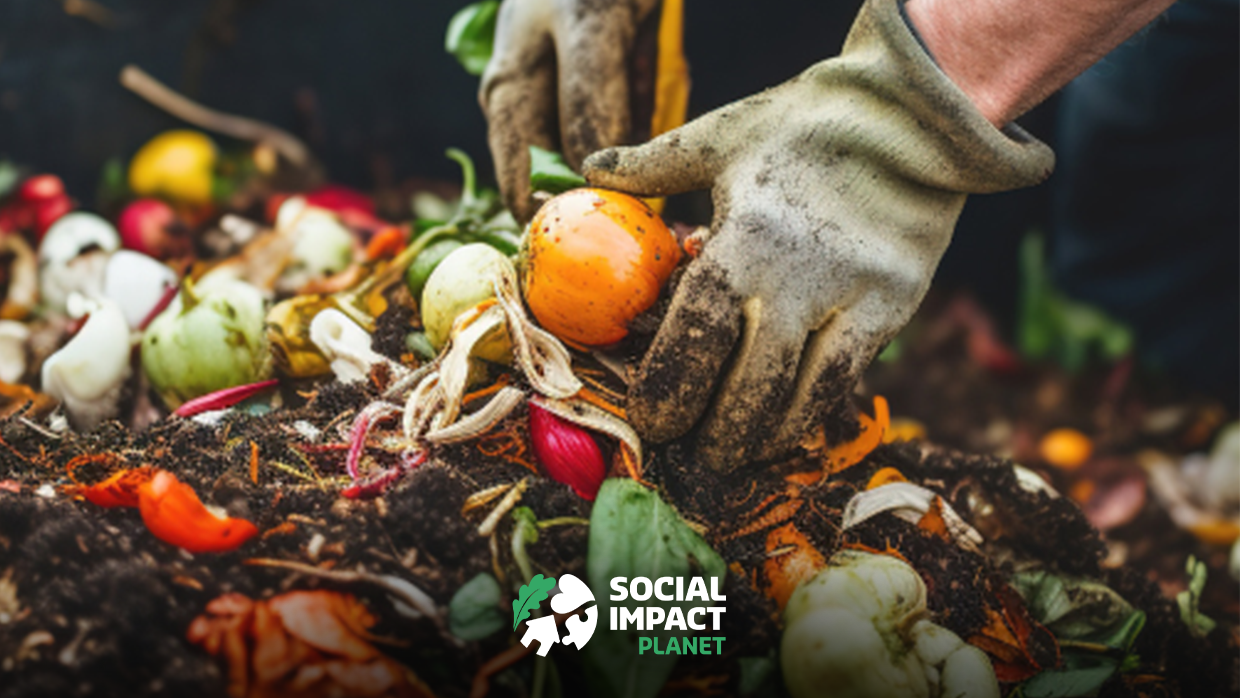
A third of all food produced globally ends up being wasted*, making food waste one of the greatest contributors to climate change and biggest scandals of our time.
Whether it’s during the ordering, storage, preparation, or serving process, we are working together with our teams, clients and supply partners to reduce food and collateral waste across Sodexo sites.
WasteWatch is a food waste measurement system that provides kitchen teams with real-time insights into what is being wasted and why. Deployed across more than 500 sites and covering over 85% of our raw material spend, it plays a critical role in helping us identify efficiencies, reduce waste and improve operational performance.
*According to the United Nations Environment Programme.
We commissioned research among 275 food procurement senior decision-makers across the private and public sector in the UK to understand their thoughts on how food buying trends need to change in order to reduce food waste.
You might also be interested in...
Our food services
Our social impact
With food waste a significant contributor to climate change, the situation has been made worse by recent supply chain challenges, which have resulted in a dramatic increase in food waste. This case study includes some of the key data, but also looks at how cutting food waste and supply chain resilience can be complementary goals.
In 2022, we commissioned further research to find out how the unprecedented pressure on supply chains had impacted food buyers’ ability to meet their food waste targets. We visited one of our suppliers, Watts Hill farm to see what work they are doing to ensure supply chain resilience whilst cutting food waste.
So how can resilience be built when pressures are already extraordinary and the future demands a net zero existence? We’ve put together an infographic to show how organisations need a net zero strategy that tackles food waste urgently, but also need agility, flexibility and diversification to navigate current supply chain issues.
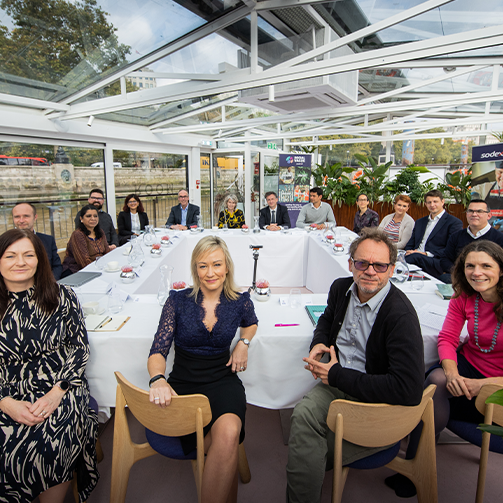
In October 2021, building on the results of the research, we hosted a roundtable of experts including WRAP, WWF and Defra, to discuss how food buying standards can change to reduce food waste and meet the UK's sustainability standards.
In 2021, we launched Appetite for Action. This is an ongoing mission for Sodexo with the goal of using our scale and food industry expertise to convene and work alongside political and industry stakeholders, chefs and customers to drive meaningful change in food service procurement to help cut food waste.
Simon Mussett, Head of Environment at Sodexo UK & Ireland, discusses why food waste remains a significant sustainability challenge, how Sodexo has already halved its food waste, well ahead of the UN SDG 12.3 2030 goal of 2030, and why the work is far from finished.